


Inside: Learn the easiest way to get rid of stink bugs and what you can do to keep them away!

As the fall weather set in, I went outside the other day and found the back of the house covered in stink bugs. Immediately, I knew I had to get a hold of the situation, because it's only a matter of time before they make their way inside.
If you have noticed the same critters, you’re likely dealing with the brown marmorated variety. While they don't pose any harm to you or your home, they can be quite annoying.
Today, I am going to share my best tips on how we handle stink bugs when it becomes a problem, plus ways to prevent them from the start.
Be sure to also see How to Keep Mosquitos Away Naturally and my favorite ways to naturally get rid of ants.
Understanding Stink Bugs: What They Are and Why They Enter
Stink bugs belong to the same insect family as aphids and cicadas, distinguished by their distinct shield-like appearance. As the weather starts to cool, these little bugs begin to seek warm, cozy spots for shelter, which often leads them right to your door. As you know, when squished, they have an awful smell.
Facts About Stink Bugs
- They don’t bite or sting.
- They don’t reproduce indoors.
- They don’t cause structural damage.
- Stink bugs can cause damage to plants and trees because they like to feed on the juices.
Basically, what I am saying is that they are just aggravating, so let's get into why they come into the house anyway and what you can do to stop them.
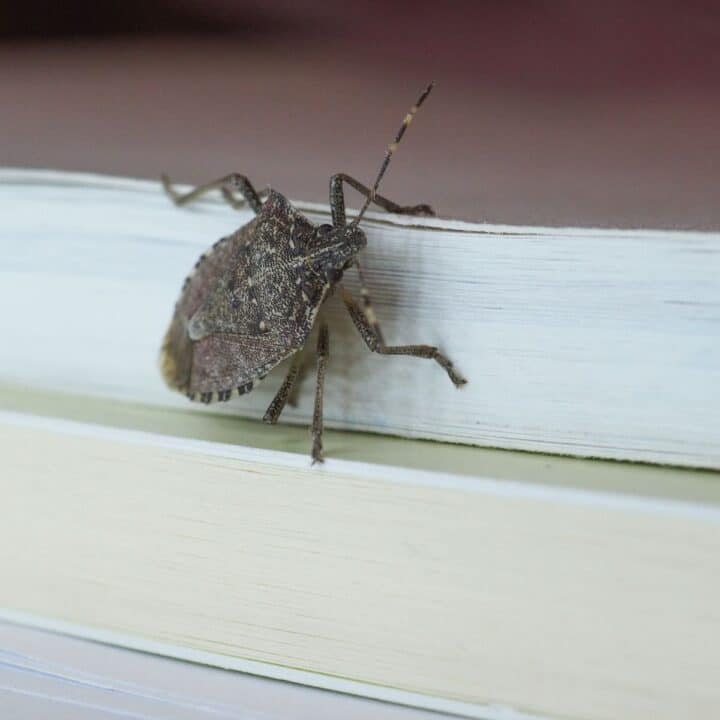
Ways Stink Bugs Get Into Your Home
- Cracks and gaps around siding, doors, windows, utility pipes, vents, and chimneys.
- Damaged or missing screens on windows and attic vents.
- Outdoor lighting - they’re drawn to light, especially at night.
- Warm walls - they love sunlit surfaces and will cling to them before finding an entry point.
- Landscaping “bridges” - bushes, trees, and even firewood piles that touch your home give them an easy path indoors.
If you live near the beach, keep in mind that salt air and humidity can wear down seals and siding more quickly. Make it a habit to check for small gaps a few times a year.
How To Prevent a Stink Bug Infestation
Seal All Entry Points
- Walk around your home and look for cracks where siding meets brick, around pipes, under eaves, and near windows. Seal with a quality silicone caulk.
- Replace worn door sweeps and weather stripping.
- Repair or replace torn window screens.
- Cover attic, foundation, and chimney vents with fine mesh.
Make Your Home Less Inviting
- Switch your bulbs: yellow “bug lights” attract fewer insects than white bulbs.
- Tidy your yard: trim plants so they don’t touch the house, and move firewood piles at least 20 feet away.
- Fix moisture problems: leaky pipes and damp corners draw all kinds of bugs.
- Declutter: clean up debris near walls and under eaves where they might hide.
Keep an Eye on What You Bring Inside
Check boxes, bags, or seasonal decorations before bringing them in. Stink bugs love to hitch a ride unnoticed. Some people also swear by rubbing dryer sheets on window frames and screens to repel them, a small trick that might help!
How to Get Rid of Stink Bugs (Without the Smell)
Even if you do everything right, a few might still make it inside. Here’s my best recommendations:
- Don’t squash them! That just releases their stink.
- Vacuum them up: Use a vacuum with a disposable bag, then toss the bag right away.
- Try a DIY light trap: Fill a shallow pan with soapy water and shine a small light over it in a dark room. They’ll fly toward the light and fall in.
- Use natural repellents:
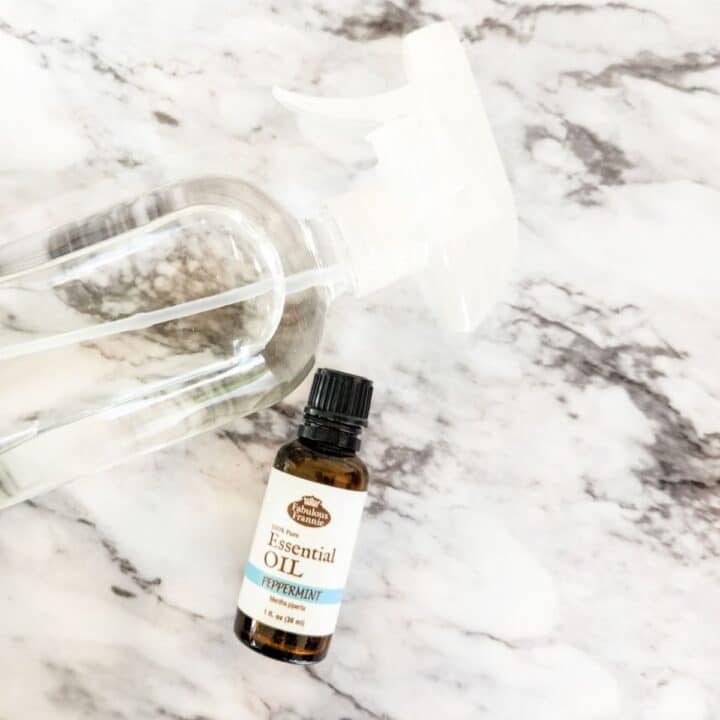
- Peppermint, clove, or lemongrass essential oils around entry points.
- Neem oil spray (for outdoors).
- A mix of dish soap and vinegar on windowsills or walls where you’ve seen them.
- Sprinkle diatomaceous earth: It’s a natural powder that dehydrates bugs. Use it around windows and doors.
- Rinse them off the exterior: If you see clusters outside, spray them with the garden hose before they find their way in.
If the invasion gets out of hand (especially in attics or walls), it might be time to call a pest control pro for treatment.
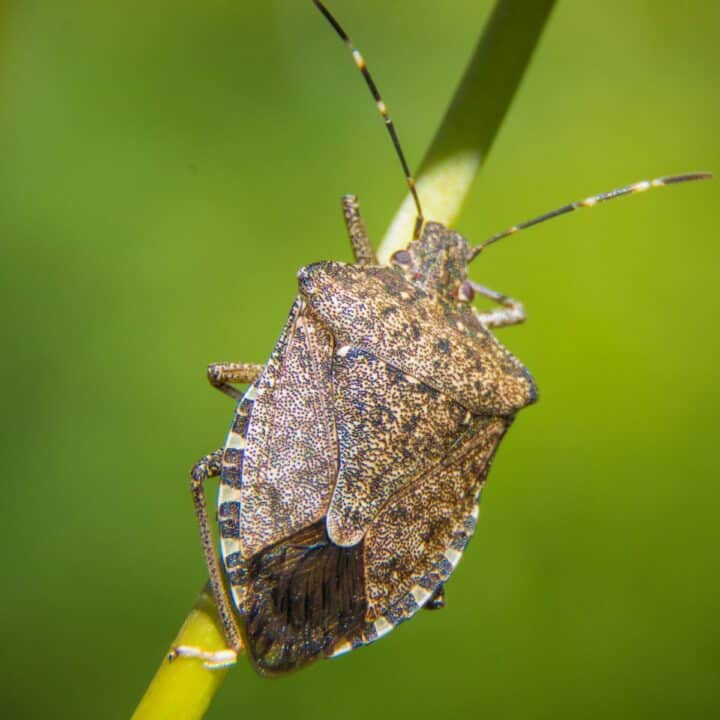
Keeping Stink Bugs Out of Your Garden
If you’ve got a garden, you’ll want to keep an eye out for stink bugs there, too.
- Use row covers to keep them off your plants.
- Check the underside of leaves for eggs and remove them.
- Keep your garden tidy. Remove debris and don’t let plants touch your house siding.
- Encourage natural predators like the tiny samurai wasp, which attacks stink bug eggs.
- Store firewood and mulch away from your home and off the ground.
Tips for Those Who Live Near the Beach
If you’re living by the beach (lucky!), you may have a little more difficulty getting rid of these guys. Here's why and what to do.
- Humidity and salt air can break down seals faster. Inspect and replace regularly.
- Windy walls can become cozy hideouts. Check soffits and vents, especially on the less windy side of your house.
- Shrubs and seaside plants add charm, but make sure they don’t touch the house.
- Vacation: if you’re gone for stretches, switch to motion-sensor lights instead of keeping porch lights on.
- Create a seasonal checklist: every late summer or early fall, do a quick perimeter check. Seal gaps, repair screens, and trim back vegetation before stink bugs start looking for shelter. Add this task to these 8 Fall Maintenance Tasks And Fall Cleaning Checklist.
When to Call the Pros
Most homeowners can handle a few stink bugs on their own. But if you’re seeing large numbers in multiple rooms or you suspect they’re in your attic or walls, it’s time to get a professional exterminatior.
Call the pest control company if:
- You can’t find where they’re getting in.
- DIY traps and sprays aren’t cutting it.
- They’re showing up in sensitive areas like food storage or commercial spaces.
Just remember, insecticides only work on contact and won’t stop new bugs from sneaking in, so sealing and prevention are still critical.
Stink bugs might be stubborn, but with the right deterrence and a few natural tricks, you can keep your home bug-free all year long.
Shirley G Miller says
Thank you Julie! This is very helpful. We get them a lot here in the mountains of NC. I will try some of these tricks. probably starting with the peppermint oil.
Have a great weekend!